EventsCreatorsCompany NewsSaaP
Creators Brunch: A Sunday at HQ About the Business of Being a Creator
Clarence Wooten · September 9, 2026 · 5 min read
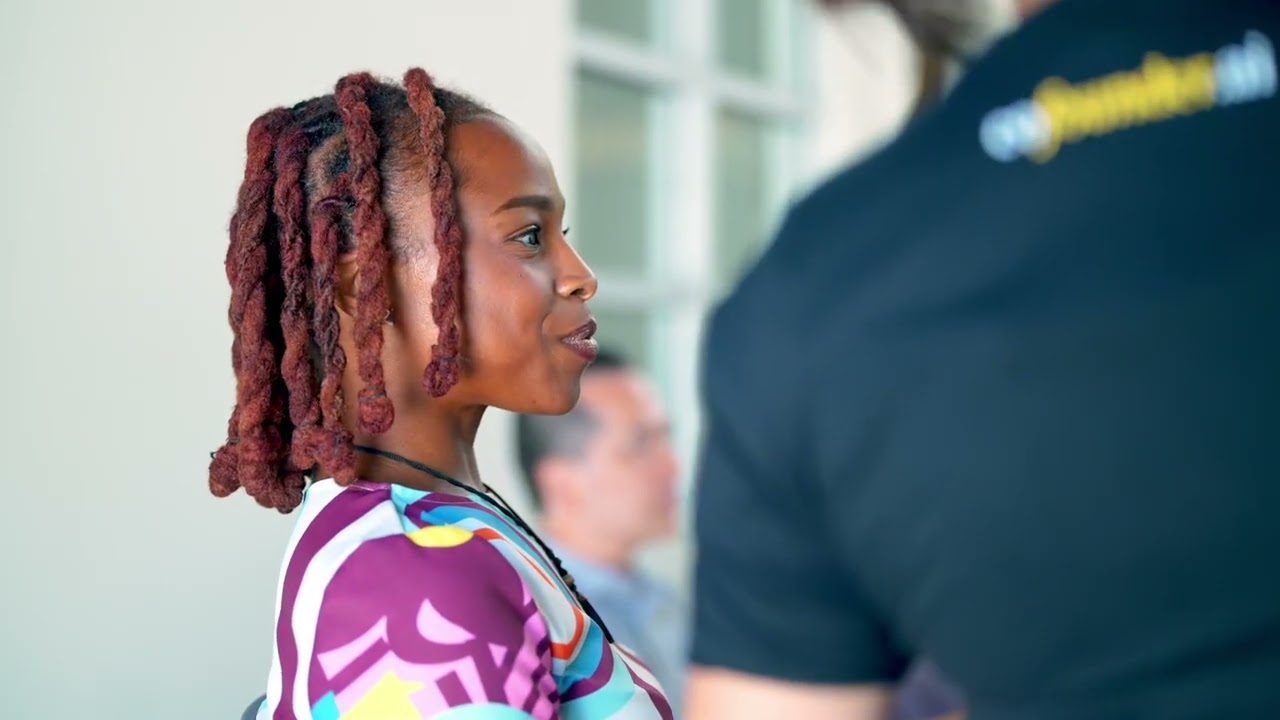
On August 23, 2026, we opened the doors of our Marina del Rey headquarters for a Creators Brunch: a Sunday morning with a room full of creators for a candid conversation about the business of being one. Armchairs instead of a stage. Mimosas instead of name badges. And one big screen with my AI cofounder on it.
The tools got good. The rules haven't caught up.
Every creator in that room is already using AI. They're using it to write faster, shoot more, edit in an afternoon what used to take a week. AI has roughly 10x'd the creative output of anyone willing to learn it.
What it hasn't done is 10x the business around that output. The contracts, the rate cards, the follow-ups, the brand deals, the taxes, the audience you're supposed to be growing while you're busy making the thing. That part still runs on a creator's nights and weekends, and most creators are running it alone.
That's the gap we wanted to talk about. Creators are leveraging AI to 10x their creative efforts. We came to show them how to leverage AI to build a 10x business around those creations.
The argument is the one we've been making since launch. For twenty years, software was a tool you operate. What AI makes possible is a partner you hire: Software as a Partner. You don't learn a cofounder. You Approve, Delegate, and Direct, and the work gets done on your behalf.
We didn't make that argument with slides. We put Avery, my AI cofounder, on the screen, told her the room was full of creators, and asked her to handle the Q&A.
The room asked Avery anything
The questions were sharper than the ones we usually get, because creators live inside AI tools all day and know exactly where the seams are.
"How do you interface with other creative AI?" Charles asked first. Avery's answer: she's the orchestrator. In the Design Studio she works directly with advanced image generation models to produce logos, social graphics, and landing page heroes. Instead of learning the prompting quirks of a different tool for every kind of asset, you tell your cofounder what you want in plain English and she handles the rest.
"Can you manage a TikTok account and create content for it?" She can draft the visuals, write captions tailored to TikTok, and map out a full content calendar. That's a creator's least favorite Sunday afternoon, handled by Monday.
"Do you have third-party integrations?" Yes, and they're a two-click affair. Email and calendar connect right inside the Signals & Suggestions panel on your Founder Focus dashboard, so your cofounder can surface the emails that need a reply and prep you for the meetings on your calendar. Once connected, those tools feed Mission Control, which tracks your stage-tuned KPIs in real time. A live view of your growth and your funnel without maintaining a spreadsheet.
Then Princess asked the question every creator in the room was privately wondering:
"If I bring my business onto this platform, what are the safety practices, and is my information and my IP training your model?"
Avery was unambiguous. Your business data, your ideas, and your proprietary information are never used to train public models. Everything you share with her and the specialist team stays inside your own secure project environment, with enterprise-grade encryption. You own 100% of your intellectual property: your code, your designs, your strategy documents.
I added the part that matters most to anyone who has watched the "build your own AI agent" tutorials. None of this touches your computer. Your cofounder and team run in the cloud, on virtual servers, and every one of them is sandboxed independently. You don't take on the risks that come with wiring an AI agent into your own laptop and handing it access to everything on it. Your cofounder can't see your files or your operating system, and you're always in control of what she can see and do.
"Can I text you?"
The last question was my favorite, because it's the whole product in one sentence. Someone looked at the dashboard on the screen and asked: "I see you have this dashboard, and I could call, but can I text you?"
Here's how I answered it. We don't believe we're competing with software. We believe we're competing with the notion of a human cofounder. So any way you'd communicate with a human cofounder, you can communicate with yours: iMessage, WhatsApp, a phone call, or logging into the dashboard when you want to see the work laid out. You can literally never touch the software at all, run the relationship by phone, and have the work product show up in your inbox.
Avery's version was shorter: you don't have to learn complicated software or manage dashboards if you don't want to. The relationship should feel natural, because that's what a partner is.
What the brunch confirmed
The narrative around AI has mostly been about the loss of jobs. We believe the opposite is the more important story. For anyone who's lost a job and wants to create one, this is the ultimate form of agency. That's what we're building, and it's especially true for creators, who have never had a shortage of ideas. What they've been missing is a partner to run the business around them.
What's next
The Creators Brunch was our third gathering of the year, after launch day in June and AI on the Vineyard in August. It won't be the last, and it won't be the last one for creators. If you'd like an invitation to the next one, reach out. We keep these small on purpose.
And if you didn't need to be in the room to be convinced: starting at $39/mo, you get an AI cofounder and team of 6 AI specialists that execute across all areas of your business. Cancel anytime.
— Clarence
Your dream cofounder. Zero equity.
My Dashboard